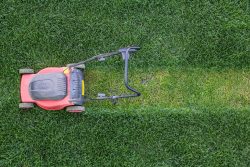
 After a long Summer of running the lawn mower and weeding your gardens, Fall might seem like a much-welcome break from lawn care responsibilities. However, the opposite is true. Rather than stopping your maintenance routine altogether, you should just change it with the season. By grabbing your lead blower and following Autumn lawn care best practices, you can keep up your grass looking gorgeous until the first snowflake falls.
Remove leaves as soon as possible
While Fall’s colorful leaves look lovely in the trees, they aren’t quite so appealing while sitting on the grass. To prevent them from rotting on your lawn, it’s best to clear them off regularly. Whether you use a rake or a leaf blower, take the time to keep your grass as leaf free as possible.
Keep mowing as needed
While your grass’ growth may start to slow, it will likely not stop during the Fall. At least in the early weeks of the season, keep your lawn mower on hand to cut the grass when necessary.
Aerate the soil
Fall rains and cool temperatures keep the grass moist, making this time of year perfect for aeration. A 50 by 50 foot lawn releases enough oxygen for a family of four, absorbing carbon dioxide, hydrogen fluoride, ozone, and peroxyacetyl nitrate. By poking holes in the lawn with an aerator, you can keep it oxygen rich and serving these health benefits.
Continue with weed control
While most of your Summertime weeds won’t be a concern, other species tend to pop up later in the year. Moss can be especially concerning during the Fall, so use a rake to remove it from the surface of your back and front lawn. Lift it from the roots to prevent spread.
Apply a layer of top soil
You may also consider using this time of year to spread a layer of top dressing to your grass. This will fill in any patches that dried out during the summer. You can either make your own or purchase it from a garden store.
By taking care of your lawn in the Fall, you can keep it looking beautiful and better prepare it for the Winter ahead. With the right tools and process, you will have your lawn routine set in stone all season long. And once the snow falls, you can tuck your tools away for Spring.
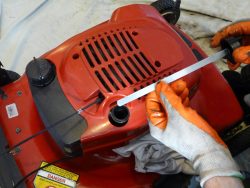 In the last post, we started to discuss the initial steps of preparing your lawn mower for the off-seasons of late fall and winter. However, there are a few more steps that must be performed carefully to complete the process and preserve the lifespan and condition of lawn mowers through the fall and winter months. Here are steps four through seven of getting your lawn mower ready for off-season storage.
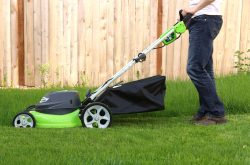 It’s no secret that lawn mowers are one of the most essential pieces of lawn beautification equipment in the country. In fact, the average American green thumb spends four hours per week taking care of their lawn. That adds up to an average of 208 hours per year, or over eight days. But after a successful season of keeping your lawn freshly maintained, it’s important to do the same to the tool that makes the magic happen — the mower. Here’s a simple, seven-step guide to help you safely store your lawn mower for the fall and winter months.
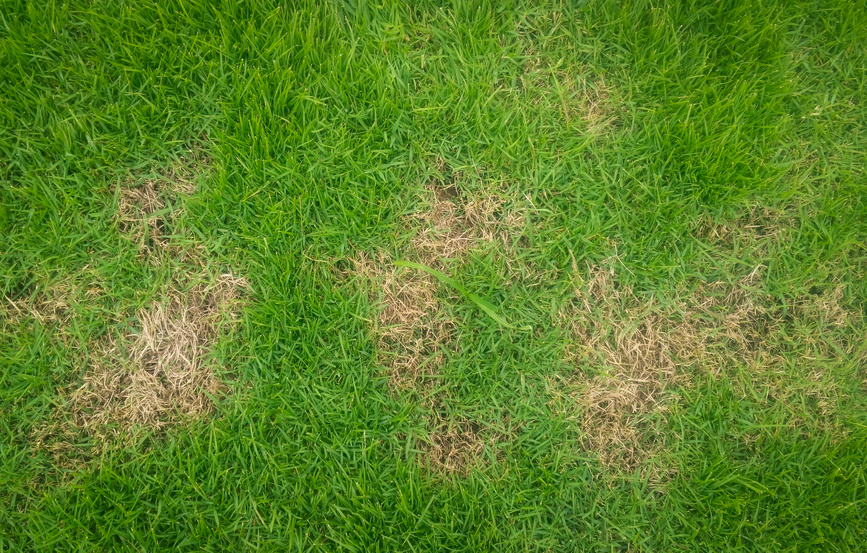 Summer is in full swing and there is nothing better than getting outside and enjoying your backyard. We all know that a great lawn can make your backyard shine, but unfortunately, many homeowners make common mistakes that can cause their lawn to look less than its very best during this season.
 Even though it is summertime, it is never too early to talk about heating your home! If you are in the market for a new residential furnace, consider changing things up this year and investing in the wonderful world of outdoor furnaces. Currently, there are about 200,000 outdoor wood furnaces in use, meaning that a lot of Americans have chosen this non-traditional route. Here are some of the benefits that come with using this unique heating option.
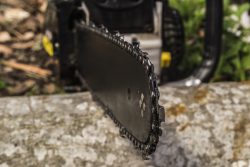 It’s no secret that power tools such as leaf blowers and chainsaws are incredibly versatile. However, many people underestimate the amount of maintenance involved to keep these tools working at their best. Here are just a few basic routine maintenance procedures to help optimize the performance of your chainsaw.