 Now that summer weather is nearly here, it’s a good time to assess your winter appliances. Keeping ahead of the game by making sure everything is in working order now will prevent you from headaches once winter rolls around again.
If you have a residential furnace, then you’ve been most likely using it all winter long. If you haven’t faced any problems with it so far then you might be due for one. There are many things you should know about your furnace in order to keep it in tip-top shape.
When Should I Replace My Furnace?
Traditionally, the lifespan of your average furnace is between 10 and 25 years. So if your furnace is under the 10-year mark, then you should be good to go for a while yet. Although, if your furnace is past the 10-year mark, then it’s in the second half of its lifespan and you might need to start considering a replacement. However, if you have a poorly working, oversized, or older model furnace, then your best option would be to still replace it. Eventually, furnaces get worn out and lose efficiency, and as they get older the replacement parts get harder to find and are less effective. Before just tossing it in the trash bin, however, get a few professional opinions about your specific situation. An experienced pro(s) will be able to tell you the best route to take and the available options.
Is My AFUE Important?
Your annual fuel utilization efficiency, or AFUE, is extremely important. Not only can it tell you how much energy your furnace consumed in order to produce heat for your home, it can also be an indicator of possible performance issues. Technically speaking, your AFUE reading is the ratio between fuel consumption and energy production. Since heat escaping is a natural and unavoidable occurrence in all heating systems, having a better AFUE rating means less escaping heat. If your furnace is rated for 90%, then that means that 90% of the fuel being used actually provided heat for your home, and only 10% escaped. There are many new furnace models that have higher AFUE ratings, and if your furnace is producing low ratings, then it might be a good time to upgrade. A furnace with a better rating will retain more heat per fuel consumption a year in comparison to an older, lower rated furnace.
As you begin to no longer need your residential furnace to heat your home in the coming months, you should start thinking about maintenance or replacement. If you currently don’t have a furnace, consider installing one. Those who currently own outdoor furnaces claim they use 25% to 75% less wood in comparison to traditional wood furnaces, as well as receive more efficient heating in comparison to using other sources of heat or fuel. There are many options for residential furnaces, so contact a professional to discuss your options.
For information about your existing furnace or installing a new one, call Outback Heating.
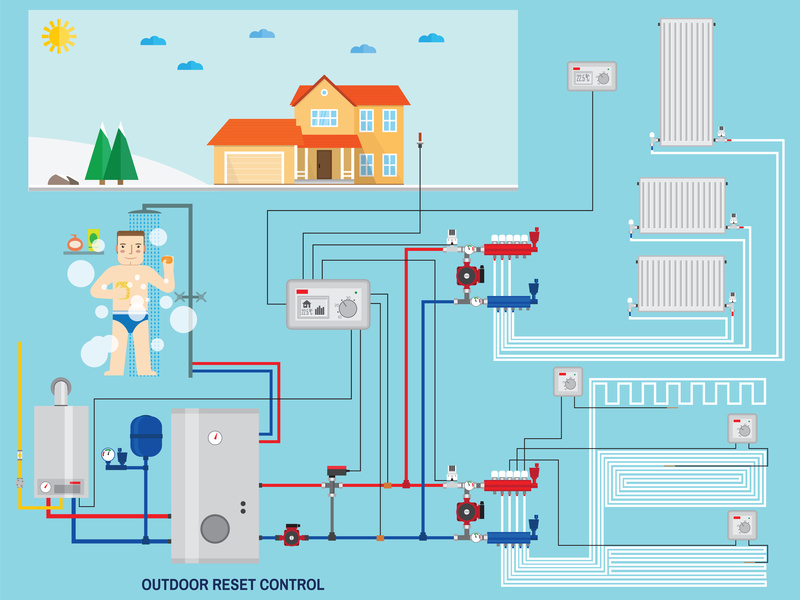 In the last post, we discussed some compelling reasons to invest in an outdoor furnace, specifically, a Heatmor brand furnace. Current owners of outdoor furnaces report that they are using up to 25% to 70% less wood compared to traditional wood furnaces and of course have far more efficient heating compared to using other heating sources or fuel sources. But before you invest in your own Heatmor residential furnace, it’s important to understand the full range of unique benefits they provide. Here’s part two of our guide that will explore some more convincing reasons to invest in a Heatmor residential furnace.
 Outdoor furnaces are becoming an increasingly popular form of heating, with about 200,000 currently in use. This is largely because outdoor furnaces are a cost-effective source of heating energy. Owners who cut their own wood, or can obtain free wood as fuel, can entirely eliminate their heating bills. Over a 10-year period, a homeowner or business may save $10,000 to $50,000 or more on heating costs. But of all the brands that make outdoor wood burning furnaces, Heatmor brand furnaces are especially known for their durability and overall effectiveness. Here’s part one of our guide that will explore some of the most compelling reasons to consider investing in Heatmor residential furnaces.
 Congratulations on moving into your very first home! You probably made a long checklist of all the items you’re going to need inside your kitchen, your bathrooms, the bedrooms, and all the other interior areas of your property. But what about the outdoors?